
Unveiling the Mystery: Bats in the House Superstition and Its Cultural Impact
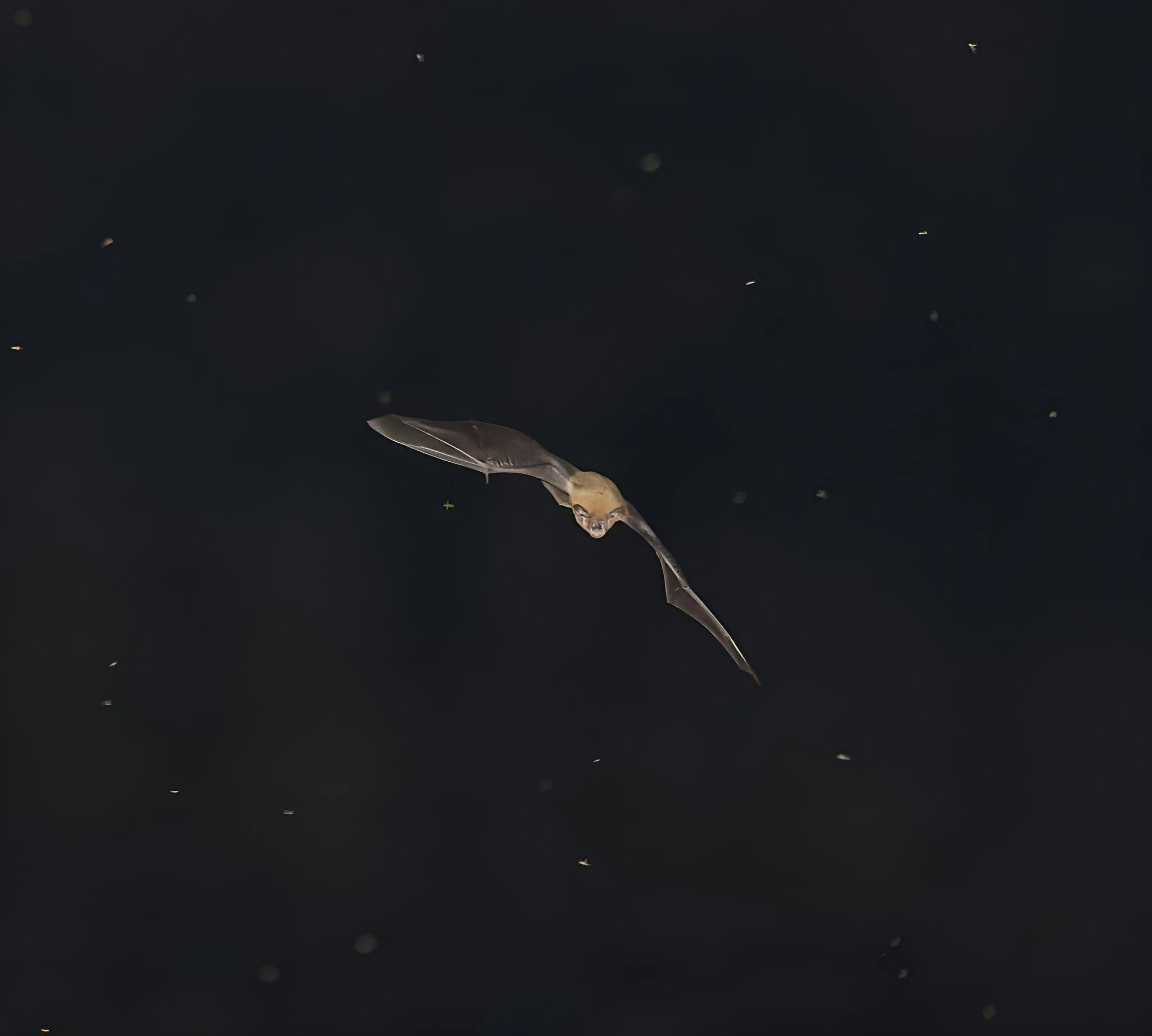
Bats have long fluttered through the annals of folklore and superstition. Often misunderstood, these creatures stir emotions ranging from fear to awe. But what happens when these enigmatic fliers invade our personal space? Does the presence of bats in a house carry an omen, or is it merely a quirk of nature? This blog post delves into the “Bats in the House” superstition, exploring its origins, variations, and the cultural impact of this phenomenon.
Introduction to Bats in the House Superstition
Bats, the only mammals capable of sustained flight, have intrigued humans for centuries. With over 1,400 species, their ecological roles are as diverse as pollinating plants and controlling insect populations. However, beyond their ecological contributions, bats play starring roles in many cultural superstitions around the world.
The superstition of bats in the house brings mixed interpretations. In some cultures, a bat entering a home is seen as a sign of misfortune, an omen of death or serious illness, echoing gothic tales and deep-seated fears of the night. In contrast, other cultures cherish a bat’s visit as a herald of good luck and prosperity, particularly if the bat decides to stay.
Exploring Cultural Beliefs and Interpretations
In Chinese culture, the word for bat, “fu,” sounds similar to the word for good fortune. Therefore, bats are generally associated with happiness and prosperity. The image of a bat is often used in art, amulets, and other forms of decor, aiming to attract positive blessings.
Conversely, Western narratives have frequently painted bats as harbingers of darkness and despair, partly influenced by their nocturnal habits and association with haunted places. Literature and horror films have only cemented the bat’s reputation as something to be feared or reviled, although this depiction is slowly changing thanks to conservation efforts and educational outreach.
The Everyday Reality of Bats in Homes
When a bat enters a home, it’s usually by accident. These creatures are looking for shelter or could have been disoriented by bright lights or structural gaps. Understanding this behavior is crucial in demystifying bats and reducing the fear associated with them.
However, the superstition holds strong in many communities. A bat flying into a house might cause a stir, prompting immediate removal or, in some places, a gathering of community members to interpret the message of its visit.
FAQ: Unveiling the Mystery: Bats in the House Superstition and Its Cultural Impact
Q1: What should I do if a bat enters my home?
A1: Stay calm. Most bats are harmless and more afraid of you than you are of them. Ensure that pets and children stay away, and open windows or doors to give the bat a clear exit route. If the bat doesn’t leave, consider contacting wildlife control for humane removal.
Q2: Are bats dangerous?
A2: Bats are generally not dangerous. Some species can carry diseases like rabies, but the risk of transmission to humans is low. Avoid handling a bat with bare hands to reduce the risk of bites or scratches.
Q3: How can I prevent bats from entering my home?
A3: Maintain your home by sealing entry points such as gaps in windows, doors, and the roof. Use netting or screens as necessary. Also, consider a bat house in your garden to provide a natural habitat that keeps them away from your living spaces.
Q4: Can having bats around be beneficial?
A4: Absolutely! Bats play a crucial role in many ecosystems, aiding in insect control and pollination. Welcoming bats into your garden (but not necessarily your living room!) can contribute to a healthy, balanced outdoor environment.
Conclusion: Embracing the Eerie, Understanding the Ecological
The superstition surrounding bats in the house underscores a deep-rooted cultural dialogue between humans and nature. By “Unveiling the Mystery: Bats in the House Superstition and Its Cultural Impact,” we discover not only the folklore but also the facts. As we learn more about these fascinating creatures, we can replace fear with fascination and appreciation.
Remember, whether you view their unexpected visit as an omen or an ecological curiosity, the bat’s presence invites us to explore a richer understanding of our natural world and our place within it. Let’s open the doors to knowledge and let the superstitions fly out with the bats. Embrace the eerie, and who knows? You might just find yourself a bit luckier, or at the very least, better informed!