
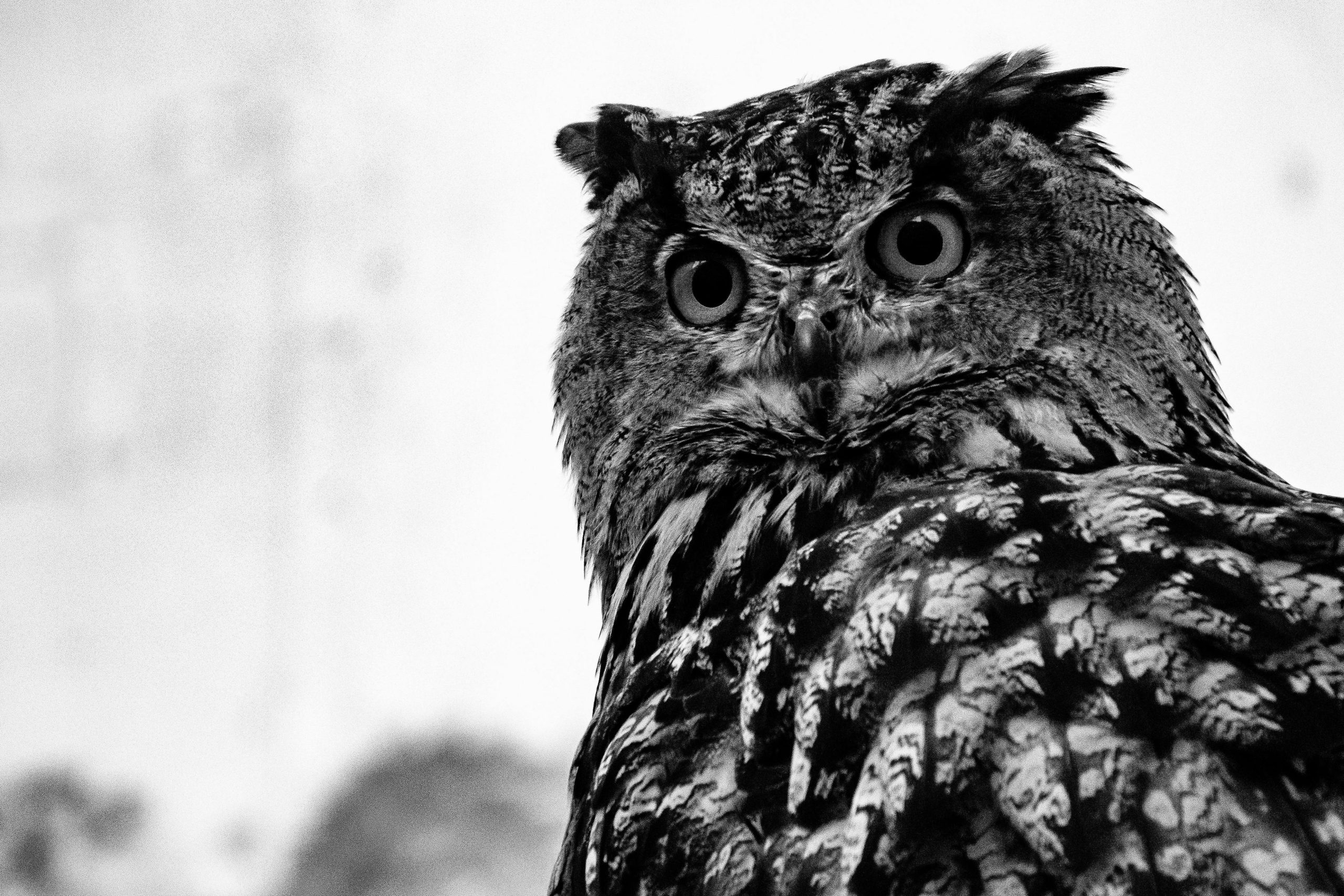
From Fear to Reverence: Understanding Owl Superstition Across Cultures
Owls have captivated the human imagination for centuries, soaring silently through the night sky with their eerie calls and intense stares. From fear to reverence, understanding owl superstition across cultures unveils a tapestry of beliefs and folklore that highlights the profound impact these mysterious creatures have on various societies. In this deep dive, we’ll explore the rich spectrum of superstitions associated with owls, revealing both the trepidation and admiration they inspire worldwide.
Introduction to Owl Superstitions
Owls are often seen as harbingers of wisdom and protectors in the night, across different landscapes—from the dense forests of North America to the expansive deserts of the Middle East. However, as much as they are revered, they are also often feared. This dichotomy stems from their nocturnal nature and formidable hunting skills, which have given rise to numerous myths and superstitions in nearly every culture they touch.
The Dual Nature of Owl Superstitions
In many cultures, owls are associated with death and misfortune. In ancient Rome, an owl’s hoot was taken as a foretelling of imminent death. Similarly, in some Mexican communities, the call of an owl, particularly the “lechuza” (a mythical bird often described as an owl), is believed to be a sign that tragedy will strike. This fear stems from the owl’s predatory nature and its silent flight, making it an ominous figure in the dark of night.
Conversely, in other societies, the owl is revered as a symbol of wisdom and protection. For example, in Greek mythology, the owl is synonymous with Athena, the goddess of wisdom and warfare, who was so impressed by the owl’s big eyes and solemn appearance that she honored it with the prestigious title of the city of Athens’ symbol.
Owl Superstitions Across Different Cultures
-
Native American Beliefs: Many Native American tribes regard the owl with a complex mixture of awe and fear. In some tribes, owls are seen as guardians against harm and are believed to bring on messages from the spirit world. Yet, for others, their presence is considered an ill omen, signifying death or bad weather. This respect but cautious stance highlights the complex relationship Native Americans have with nature and its creatures.
-
African Cultural Views: In several African cultures, owls are connected to witchcraft and sorcery. Their ability to see at night when others cannot offers a metaphorical link to unveiling hidden truths and secrets. The Ashanti of West Africa, for example, see the owl as a bad omen and hearing its hoot can predict bad news or death.
-
European Folklore: In medieval Europe, the owl had a fearsome reputation. It was often thought that witches transformed into owls and prowled the night. Today, remnants of those beliefs can still be seen during Halloween decorations, with owls featured prominently alongside witches.
-
Asian Perspectives: In Japan, owls are considered lucky and are known as “fukurou,” which means protection from hardship. The presence of an owl is often perceived as a protective charm against suffering. Conversely, in Indian culture, owls are sometimes associated with bad luck and linked to the goddess Lakhsmi as a symbol of financial ruin.
Why Explore Owl Superstitions?
From fear to reverence, understanding owl superstition across cultures serves a pivotal role in cultural anthropology and biodiversity. By demystifying these beliefs, we gain insight into how communities perceive and interact with the natural world around them, shaping their traditions and ecological practices.
FAQs About Owls and Cultural Superstitions
-
Why are owls considered bad omens?
- Owls are primarily nocturnal and their calls often occur at night when many cultures associate darkness with danger and mystery. This, combined with their silent but effective hunting techniques, may contribute to their ominous reputation.
-
Are there any cultures where owls are purely seen in a positive light?
- While few cultures regard owls purely positively without any reservations, Japanese culture holds a largely optimistic view of owls as bearers of good fortune and protectors from hardship.
-
How can learning about owl superstitions benefit us today?
- Understanding these superstitions can enhance our appreciation for cultural diversity and encourage the protection of owls as part of our global biodiversity heritage.
Conclusion
From fear to reverence: understanding owl superstition across cultures not only enriches our understanding of these compelling creatures but also offers a window into the hearts and minds of people across time and place. Whether viewed as wise protectors or harbingers of doom, owls undeniably continue to shape the cultural tapestry of our world, reminding us of the deep, enduring connections humanity shares with the natural world. As we continue to delve into these beliefs, let us approach with both curiosity and respect, recognizing that each tale and superstition holds a story of a community and its interaction with the world around it.