
From the Irish Shamrock to the Japanese Maneki-Neko: Exploring Good Luck Symbols Around the World
Introduction
Did you know that different cultures across the globe have their unique symbols of good luck? From the lush greenery of Ireland with its iconic shamrocks to the bustling streets of Japan where the Maneki-Neko waves its paw, these symbols are embedded deeply in the customs and traditions of societies. In this article, we take an intriguing journey from the Irish Shamrock to the Japanese Maneki-Neko, exploring how these charms have come to signify good fortune and what they reveal about their cultures.
What is the Irish Shamrock and Why is it Considered Lucky?
The shamrock, a three-leaved plant, is one of the most recognized symbols of Ireland. Legend has it that Saint Patrick, Ireland’s patron saint, used the shamrock to explain the Holy Trinity to the pagan Irish, which inherently woven it with a religious significance. Over time, the shamrock has become synonymous with luck, especially when found with four leaves. Each leaf of the rare four-leaf clover is said to represent faith, hope, love, and luck. Today, the shamrock is ubiquitous during St. Patrick’s Day celebrations, appearing in decorations, costumes, and even festive drinks, symbolizing not just religious heritage but a beacon of good luck.
Transitioning to the Far East: What is the Japanese Maneki-Neko?
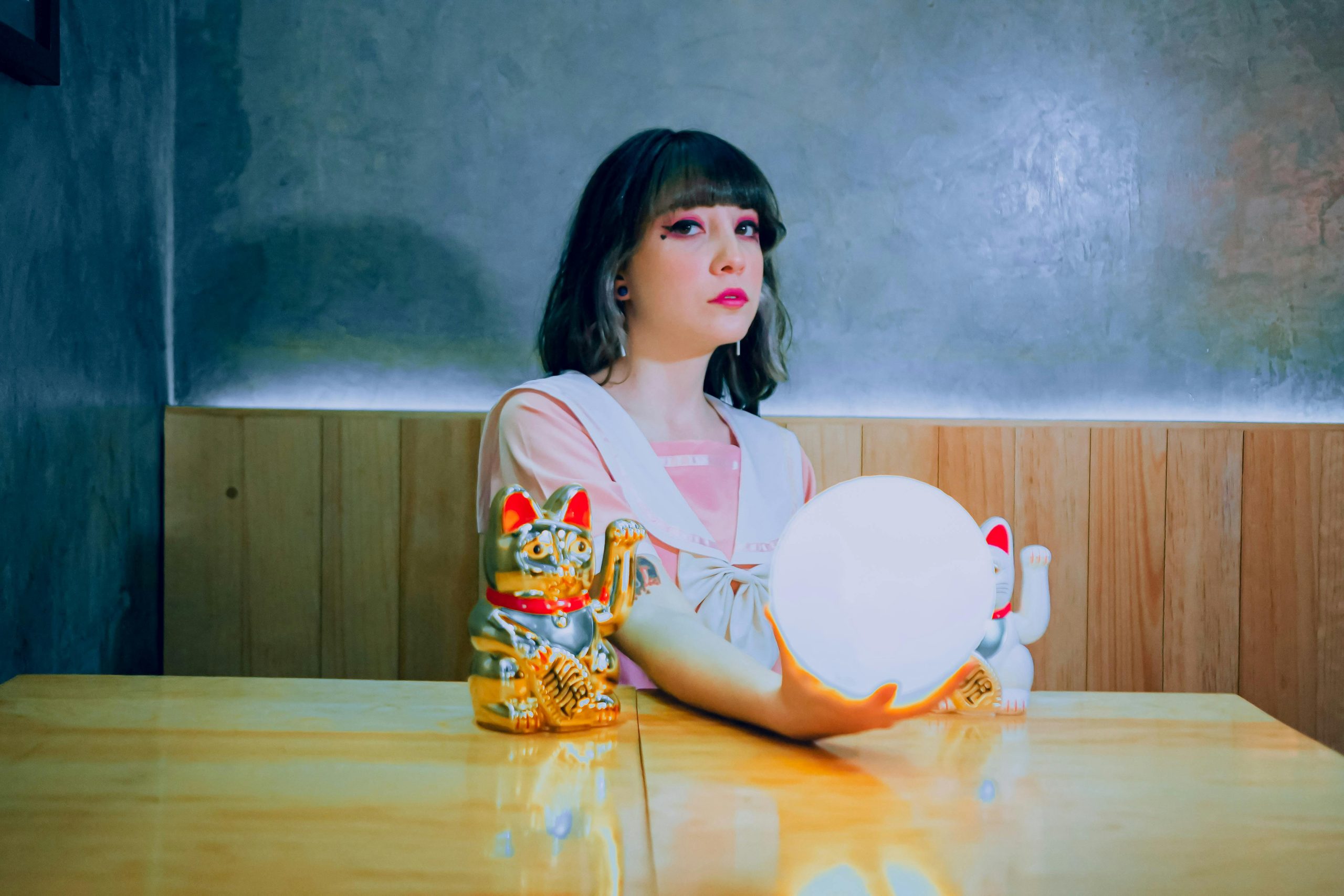
Journeying from the verdant fields of Ireland to the land of the rising sun, Japan introduces another fascinating lucky charm: the Maneki-Neko. Often referred to as the beckoning cat, this figurine typically depicts a cat with an upright paw and is believed to attract good fortune for its owners. The origins of the Maneki-Neko are shrouded in folklore, with several stories about its inception. One popular tale revolves around a struggling shopkeeper whose fortunes changed dramatically after taking in a starving stray cat. These figurines are commonly placed at the entrances of businesses and homes, waving in prosperity and success.
Comparing Cultural Significances
Though from distant lands and entirely different in appearance, both the Irish shamrock and the Japanese Maneki-Neko share common ground in their roles within their respective cultures. They are deeply ingrained in cultural festivities and are popular gifts meant to wish good luck. Each symbol also underscores the values of its culture: while the shamrock speaks to the spiritual and naturalistic heritage of the Irish, the Maneki-Neko reflects the Japanese values of hospitality and prosperity.
How Do These Symbols Influence Local Tourism and Economy?
From the Irish Shamrock to the Japanese Maneki-Neko, these symbols are not just cultural icons; they’re also substantial contributors to local economies, especially through tourism. Tourists often purchase shamrock-themed souvenirs and Maneki-Neko figurines as keepsakes or gifts, bringing a little piece of luck back home. This demand boosts local handicraft industries and helps in the promotion of cultural heritage globally.
FAQs: From the Irish Shamrock to the Japanese Maneki-Neko
Q1: Can you find a four-leaf clover in nature?
A1: Yes, four-leaf clovers exist naturally, albeit very rarely. The chances of finding one are about 1 in 5,000.
Q2: Where is the best place to keep a Maneki-Neko for good luck?
A2: It is commonly believed that placing a Maneki-Neko near the entrance of your home or business, facing the door, invites good luck and fortune inside.
Q3: Are there specific colors of Maneki-Neko, and do they have different meanings?
A3: Yes, Maneki-Neko come in various colors, each representing different blessings. For instance, a white cat symbolizes happiness and purity, while a gold cat is thought to attract wealth and prosperity.
Q4: How is St. Patrick’s Day related to the shamrock?
A4: St. Patrick’s Day is a cultural and religious celebration held on March 17, the traditional death date of Saint Patrick. The shamrock is associated with this day as Saint Patrick used it as a symbol to teach about Christianity.
Conclusion
Embarking on a journey from the Irish Shamrock to the Japanese Maneki-Neko offers a fascinating glimpse into how different cultures perceive and utilize symbols of good luck. While the shamrock and Maneki-Neko may differ in origin and appearance, their roles in bringing hope, fortune, and protection to people’s lives are remarkably similar. Whether you’re kissing a shamrock or setting up a Maneki-Neko in your store window, these symbols serve as charming reminders of the universal quest for good luck and happiness—proving that no matter where you are in the world, a little bit of luck is something we all cherish.