
Exploring Lucky Charms Across Cultures: Symbols of Fortune and Protection
Introduction:
Have you ever wondered how people around the world court lady luck? Each culture has its unique take on lucky charms – small symbols meant to attract life’s good fortunes and ward off negativity. Exploring Lucky Charms Across Cultures: Symbols offers a fascinating glance at these diverse practices and perhaps even inspires you to adopt some into your lifestyle. From the four-leaf clover in Ireland to the beckoning cat of Japan, these symbolic representations are infused with rich histories and cultural significance, serving not just to decorate but to protect and bestow.
1. Four-Leaf Clover (Ireland):
Start with one of the most universally recognized symbols of luck: the four-leaf clover. Native to Ireland, these rare variants of the typical three-leaf clover are an ancient Irish symbol of luck. The leaves represent faith, hope, love, and luck. Hunting and finding one is often seen as a sign of immense good fortune. This charming tradition not only highlights the beauty found in rarity but also showcases the human penchant for seeing significant meanings in nature.
2. Hamsa Hand (Middle Eastern Cultures):
Another intriguing symbol featured in Exploring Lucky Charms Across Cultures: Symbols is the Hamsa hand. Often seen in both Jewish and Muslim traditions, this palm-shaped amulet is believed to offer defense against the ‘evil eye.’ Decorated with an eye symbol, it represents blessings, power, and strength, and is worn prominently in jewelry and hangings. This emblem shows the shared cultural ties and similarities between differing beliefs, standing out as a symbol of protection in many Middle Eastern homes.
3. Maneki-Neko (Japan):
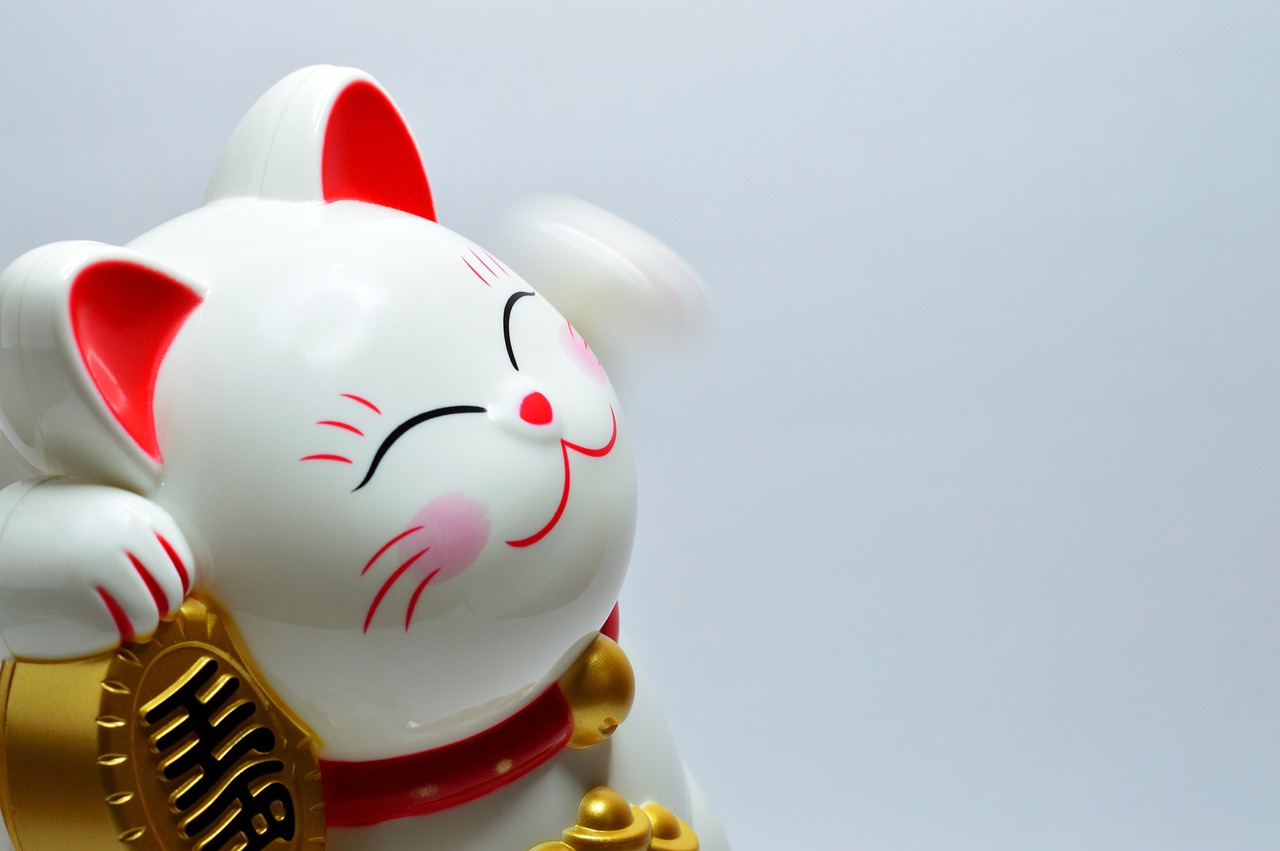
Meet the Maneki-Neko, or the “beckoning cat,” a common Japanese figurine believed to bring good luck to its owner. Often displayed in businesses, this Lucky Charms Across Cultures: Symbol varies in color and design, yet its gesture – a raised paw – universally calls for luck and prosperity. Whether it’s drawing in money with its left paw or attracting customers with its right, the Maneki-Neko is a beloved and whimsical charm found in many East Asian cultures.
4. Nazar (Turkey and surrounding regions):
A blue eye-shaped amulet known as the Nazar is prominent in Turkish folklore; it’s one of the key symbols in Exploring Lucky Charms Across Cultures: Symbols. This glass ornament reflects the belief in the evil eye, which holds that malice can come from envious stares. The Nazar works by staring back at the world, keeping you safe from harm. Many people wear it as jewelry or hang it in their homes and cars, believing in its protective power.
5. Elephants (India and Southeast Asia):
In various Asian cultures, elephants are seen as a symbol of luck, wisdom, fertility, and protection. Within Indian mythology, the elephant is associated with Lord Ganesha, the god of beginnings and “remover of obstacles.” Statues of elephants, with trunks upturned as a sign of good luck, are common in homes and businesses, believed to bring a stable environment filled with positive energies. Exploring Lucky Charms Across Cultures: Symbols reveals how reverence for animals blends with cultural spirituality to bring about fortune and good favor.
FAQs about Exploring Lucky Charms Across Cultures: Symbols:
-
Q: Can lucky charms genuinely bring you luck?
A: While there’s no scientific basis to the functionality of lucky charms, many people swear by their cultural and personal significance. Their strength might be seen as more psychological and symbolic in nature. -
Q: How do I choose the right lucky charm?
A: Choose a charm that resonates with you culturally, personally, or aesthetically. It’s the belief in your charm’s power that reinforces its value. -
Q: Are there unlucky symbols as well?
A: Yes, just as there are amulets for good luck, various cultures also have symbols they consider unlucky. Researching cultural symbols can help avoid any faux pas.
Conclusion:
The journey through Exploring Lucky Charms Across Cultures: Symbols uncovers not just the diversity of beliefs in luck but also illustrates how deeply interconnected we are in our hopes and dreams. Whether these charms wield any real magic might remain a mystery, but their power in providing comfort and reinforcing cultural identities can’t be denied. As we continue to exchange and adopt symbols from different cultures, we weave an even richer tapestry of global unity and understanding. So perhaps consider carrying a little token of luck from another culture as a reminder of the vast and varied world we share.