
Discover Global Fortune: Exploring Good Luck Symbols from Around the World
In the intricate tapestry of various cultures and traditions that make up our world, a fascinating common thread is the belief in symbols of good luck. From the mystical corners of ancient sites to the lively bustle of modern-day bazaars, these symbols represent the universal human quest for fortune and happiness. In today’s blog post, we will embark on an intriguing journey as we discover global fortune by exploring good luck symbols from around the world. Whether you’re a traveler, a cultural enthusiast, or someone seeking a bit of extra luck, this exploration will unveil the varied ways different cultures harness the mystical powers of these fortunate tokens.
Introduction to Good Luck Symbols
Good luck symbols are deeply embedded in the cultural fabric of societies worldwide. They can be objects, animals, or even abstract symbols that carry meanings of prosperity, safety, and thriving life. Many of these symbols are steeped in the lore and history of a place, passed down through generations and often entwined with local rituals and beliefs.
1. The Four-Leaf Clover: Ireland
Let’s start our discovery in the lush landscapes of Ireland, where the four-leaf clover is cherished as a formidable symbol of good luck. Each leaf of this rare variation of the standard three-leaf clover is said to represent faith, hope, love, and luck. Stemming from ancient Druid beliefs where clovers could help spot evil spirits, today, this symbol is universally recognized and associated with St. Patrick’s Day; widely celebrated not just in Ireland but across the globe.
2. Maneki Neko: Japan
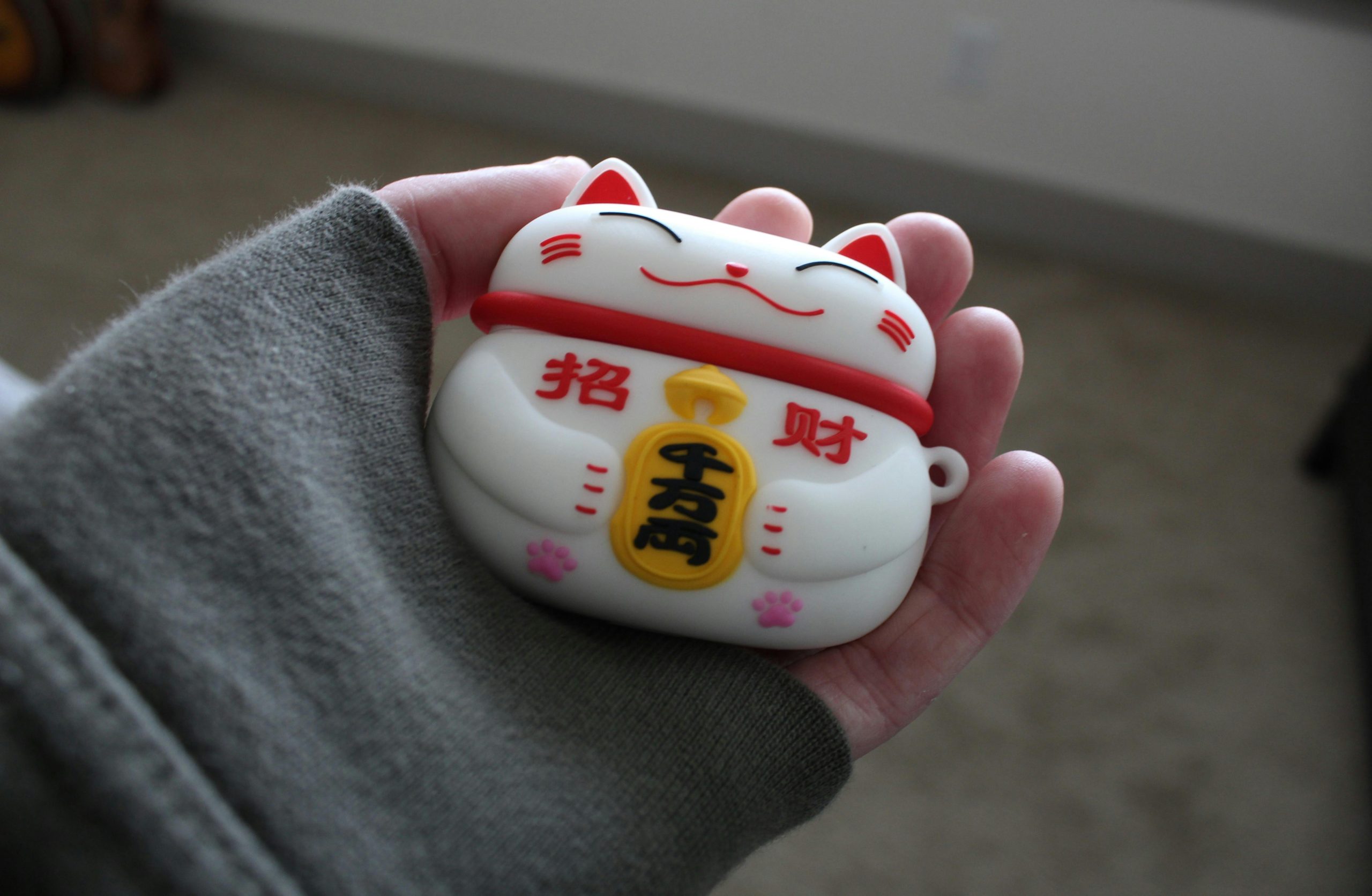
Crossing over to Japan, the Maneki Neko, or “beckoning cat”, is a common Japanese figurine believed to bring good luck to its owner. Often found at the entrance of businesses and homes, this adorable cat with its raised paw supposedly attracts wealth and good fortune. The color and the paw the cat raises varies and are thought to bring different types of luck such as wealth, health, and love.
3. Hamsa Hand: Middle East & North Africa
The Hamsa Hand, a palm-shaped amulet popular throughout the Middle East and North Africa, serves as protection against the evil eye. This symbol depicting an open hand is commonly found in jewelry and wall hangings and is a widespread motif in both Jewish and Muslim communities. The Hamsa not only wards off misfortune but is believed to bring blessings and power.
4. Elephant: India and Southeast Asia
In many Asian cultures, particularly in India and Southeast Asia, the elephant is a symbol of good luck, wisdom, and fertility. Often depicted with the trunk up, which is believed to accumulate and dispense energy, elephants are revered. In Hindu culture, the deity Ganesha, depicted with an elephant head, is widely worshiped as the remover of obstacles and the god of beginnings and good fortune.
5. Nazar: Turkey
While exploring good luck symbols in Turkey, one must mention the Nazar Boncugu, which translates to “evil eye bead.” This iconic glass amulet, which can be seen adorning homes, offices, and worn as jewelry, is believed to protect its holder from the malevolent gaze of the evil eye, a spiteful stare that could bring misfortune. The eye-catching blue glass of Nazar reflects the evil intent back to the onlooker.
FAQs About Good Luck Symbols
Q1: Can good luck symbols from different cultures be used interchangeably?
Absolutely! Many people worldwide collect and utilize luck symbols outside their own culture because the intent behind these symbols is a universal wish for happiness and good fortune.
Q2: Where can one find authentic good luck symbols?
Good luck symbols are typically available at local cultural markets, specialty stores, or through online platforms that offer ethnic arts and crafts. For authenticity, look for craftspeople from the region or culture that originates the symbol.
Q3: Are there any good luck symbols applicable in a corporate setting?
Symbols like the Maneki Neko are perfect for business and corporate environments, particularly for those engaging with Japanese clients. Other universal symbols such as lucky bamboo or small elephant statues could also serve similarly beneficial and decoratively aesthetic purposes.
Conclusion
Exploring good luck symbols from around the world such as the Hamsa Hand, Nazar, Maneki Neko, four-leaf clover, and the elephant reflects more than just a whimsical charm hunt; it is a vivid reflection of shared human aspirations for security and prosperity. Whether incorporated into daily life or gifted as tokens of genuine wishes, these symbols enrich our lives by connecting us to the world’s rich cultural diversities. Discover global fortune by integrating these symbols into your space or wardrobe, and perhaps, the fortune that comes with them. Let’s cherish these mystical legacies and carry forward the ancient traditions of invoking good luck and protection. Keep exploring, and who knows? The next symbol you adopt might just bring your next stroke of good luck.