
Unlocking Fortune: Exploring Good Luck Symbols from Around the World
Throughout history and across different cultures around the globe, various symbols and objects have been cherished for their supposed ability to bring good fortune. Whether it’s averting bad luck or beckoning prosperity and success, these symbols form an integral part of many cultural traditions and personal belief systems. In this article, we delve into the fascinating world of good luck symbols from different continents, uncovering how these icons have helped shape identities and infuse hope into daily lives. From the mystic Far East to the deep-rooted traditions of Europe, we explore what makes these symbols enduring and significant. So, get ready to unlock fortune by exploring good luck symbols from around the world!
Europe: Horseshoes and Four-Leaf Clovers
Starting with Europe, the horseshoe is one of the most recognized symbols of good luck, particularly in Western cultures. Traditionally made of iron — a material believed to ward off evil spirits — horseshoes are often hung over the doorways of homes. Legend has it that a horseshoe, with its ends pointing upwards, stores good luck, while if it is pointing downwards, the good luck flows away.
Another iconic symbol is the four-leaf clover, predominantly found in Ireland but celebrated globally, especially around St. Patrick’s Day. Each leaf in the clover has a specific meaning — hope, faith, love, and the fourth for luck. The rarity of finding a four-leaf clover is also seen as a fortunate sign itself.
Asia: The Maneki-Neko and Elephants
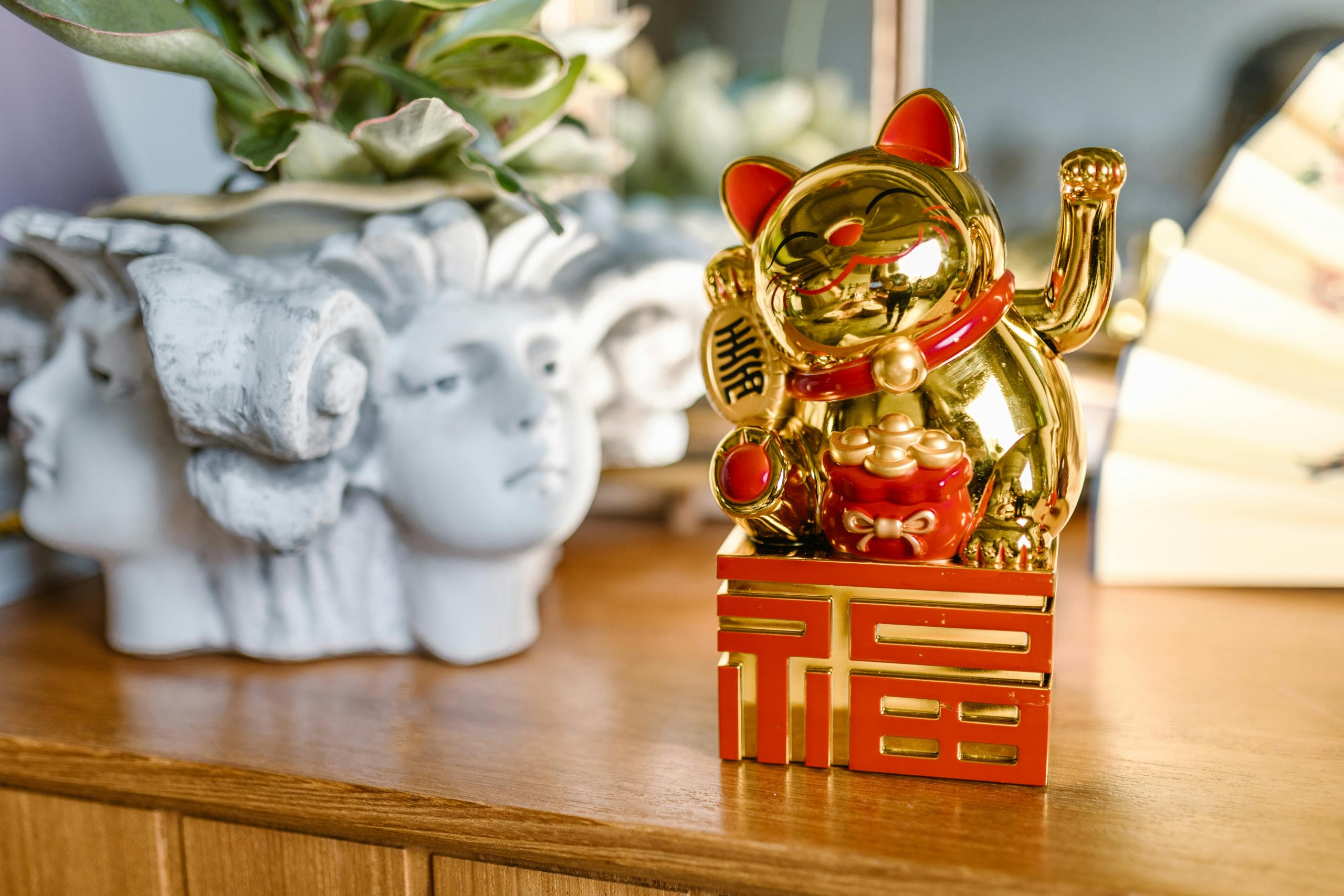
In Asia, good luck symbols vary profoundly, echoing vibrant traditions. In Japan, the Maneki-Neko, or the “beckoning cat,” is a common figurative symbol of good luck. Usually depicted with an upright paw, this figurine is believed to attract prosperity and success to businesses and homes. Often found in the entrance of establishments, it greets patrons with promises of good fortune.
Moving to India, elephants are esteemed as creatures of good luck, wisdom, and remover of obstacles. This belief stems partly from the elephant-headed Hindu god, Ganesha, who is widely revered for his power to clear away troubles and bring success.
Africa: The Ankh and Adinkra Symbols
In Africa, Egypt’s ancient ankh symbol, which represents eternal life and was believed to bring divine protection, is one of the earliest symbols of luck known to history. Alternatively, the West African Adinkra symbols, each carrying its deep message and wisdom, are worn or displayed to bring what each symbol promises. For instance, the Gye Nyame, symbolizing the supremacy of God, brings comfort and peace of mind, speaking to a spiritual kind of luck.
North America: Dream catchers and Rabbit’s Foot
North America contributes with its own set of luck-bringers. Native Americans from different nations have used dream catchers as a protective tool. Originally created by the Ojibwe people, these woven webs are believed to catch any harm lingering in the air at night, letting through only good dreams.
Further, the rabbit’s foot is held as an amulet of good luck in many parts of the USA. Historically rooted in African-American folk spirituality, the rabbit’s foot is supposed to carry protective and prosperous properties.
South America: Nazar Amulets and Tumi
In South America, the nazar amulet, although of Middle Eastern origin, has gained popularity in various countries as a protector against the evil eye, which is thought to bring bad luck. This symbol is vividly recognizable by its eye-like design, often in shades of blue and white.
Peru’s ceremonial Tumi knife, with its semi-circular blade and a handle depicting either a god or a dignified animal like the llama, is another revered symbol. It’s traditionally associated with good health and prosperity and hung on walls inside homes to retain good vibes.
FAQ on Unlocking Fortune: Exploring Good Luck Symbols from Around the World
Q1: Can these symbols actually bring good luck?
While there’s no scientific evidence to support the efficacy of these symbols in bringing good luck, many people believe in their power profoundly, influenced by cultural traditions and personal experiences.
Q2: How should one use these symbols?
Good luck symbols are often worn as jewelry, placed in homes, or used in ceremonies, depending on their origin and the specific traditions associated with them. Their placement and usage can vary significantly across different cultures.
Q3: Where can one find authentic good luck symbols?
Authentic good luck symbols are best acquired from their regions of origin or from specialized stores that understand their cultural significance and artisanship.
Conclusion
Unlocking fortune by exploring good luck symbols from around the world provides a captivating glimpse into the traditions and beliefs of various cultures. Whether you’re a believer in mystical energies or enjoy the stories behind historic icons, these symbols foster a feeling of connection and continuity with our ancestors. Although they come from diverse backgrounds and hold distinct meanings, the universal human quest for luck unites these symbols in their shared purpose – to bring hope and positivity into our lives. Each emblem, rich in history, continues to enchant the modern world and decorate our lives with a splash of mystery and a promise of better things.