
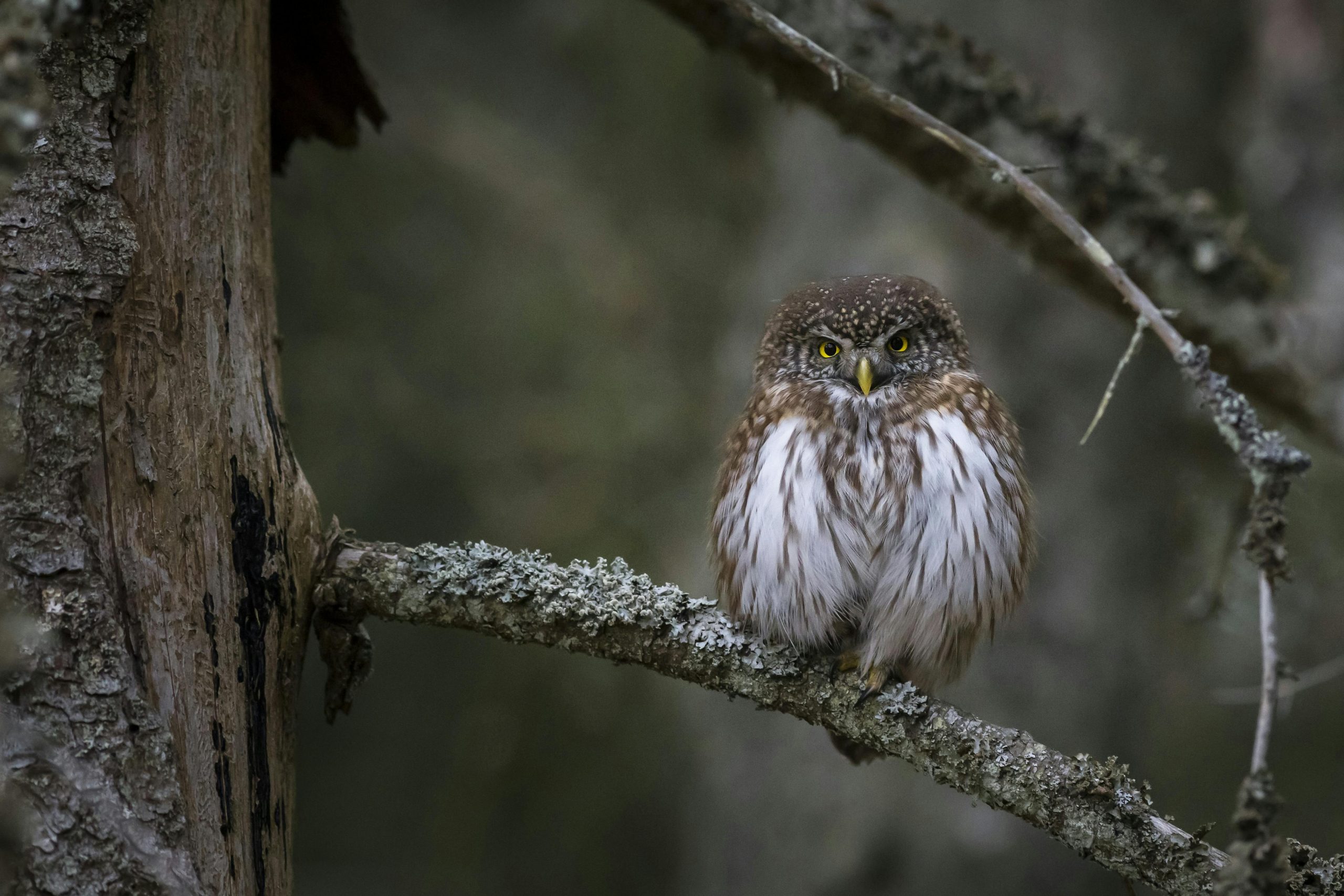
Exploring Owl Superstition: Cultural Beliefs and Mysteries Around the World
Owls, with their silent wings and nocturnal habits, have fascinated mankind for centuries. Across different cultures, these enigmatic creatures evoke a range of emotions, from awe to fear, and are shrouded in a myriad of beliefs and superstitions. In this article, we dive into the folklore that surrounds owls, exploring how different cultures perceive these mysterious birds and the superstitions that follow them around the globe.
The Allure and Mysteries of Owls in Cultural Beliefs
Owls have been part of human folklore and superstition for as long as records exist. Often associated with wisdom, death, and prophecy, these birds embody a complex mix of both positive and negative symbolism which varies significantly from one culture to another.
In Ancient Greece: Birds of Wisdom
In Ancient Greece, the owl was considered a symbol of wisdom and was associated with Athena, the goddess of wisdom and warfare. The sight of an owl flying over Greek soldiers before a battle was believed to be a sign of victory, as the owl was Athena’s sacred bird. This belief contributed to the owl’s positive image in Western culture where it often represents knowledge and erudition.
Among Native American Tribes: Messengers and Protectors
For many Native American tribes, owls are seen as messengers and protectors. The Sioux associate spotting an owl with impending danger, but also believe owls offer protection against evil spirits. In contrast, the Pawnee view owls as symbols of protection and would often don war regalia featuring owl feathers to guard against danger.
In Asian Cultures: Omens of Death
Moving to the East, the perception of owls can be starkly different. In many Asian cultures, owls are often considered omens of bad luck or even death. In India, for instance, owls are believed to be linked to the goddess Lakshmi but also associated with bad omens, especially if heard during auspicious occasions.
The Mysterious Owls of Medieval Europe
In medieval Europe, owls had a more sinister reputation. They were often thought to be witches in disguise or messengers from the underworld. An owl’s hoot was sometimes believed to foretell death or disaster, a superstition that has lingered in some areas to this day.
Common FAQS About Owls and Cultural Beliefs
Q: Why are owls considered wise?
A: Owls have been associated with wisdom partly due to their wide eyes and serene, contemplative presence. Ancient Greeks perhaps saw these traits as a reflection of Athena’s qualities.
Q: Are there any positive superstitions associated with owls?
A: Yes, beyond their association with wisdom, in some cultures, owls are seen as protectors against harm and as bearers of good fortune. For example, the Ainu people of Japan consider the owl as a revered guardian spirit.
Q: What does it mean when you hear an owl hooting at night?
A: Interpretations vary widely depending on the culture. While in some places it might be seen as a bad omen, in others, it can be considered a protective sign or even just a natural behavior of the owl without superstitional significance.
Q: How do these superstitions affect owl populations?
A: Unfortunately, in some parts of the world, superstitions have led to the persecution of owls. Beliefs that label owls as harbingers of death can result in attempts to eradicate them, thus impacting their populations and conservation status.
Understanding and Preserving the Mystique of Owls
Exploring owl superstition reveals much about human cultures and the ways in which we find meaning in the world around us. These beliefs, whether awe-inspiring or fear-inducing, remind us of the deep connections and often complex relationships humans have with nature.
Owls, through their silent flight and piercing eyes, continue to captivate the human imagination, occupying a special place in the folklore of many societies around the world. As we continue to explore and understand these cultural beliefs and mysteries, it’s crucial to remember the real-life counterparts of these mystical birds and the importance of protecting them so that they thrive in their natural habitats without the stigma of superstitions.
In conclusion, while the superstitions surrounding owls can be a fascinating insight into cultural beliefs, they can also lead to negative impacts on owl populations. By learning more about these creatures and separating myth from reality, we can appreciate their true nature and ensure they remain a source of wonder and intrigue across the globe. This respect and understanding of both the cultural and natural aspects of owls will help ensure that these magnificent birds continue to fly through our night skies, free from harm and surrounded by mystery.