
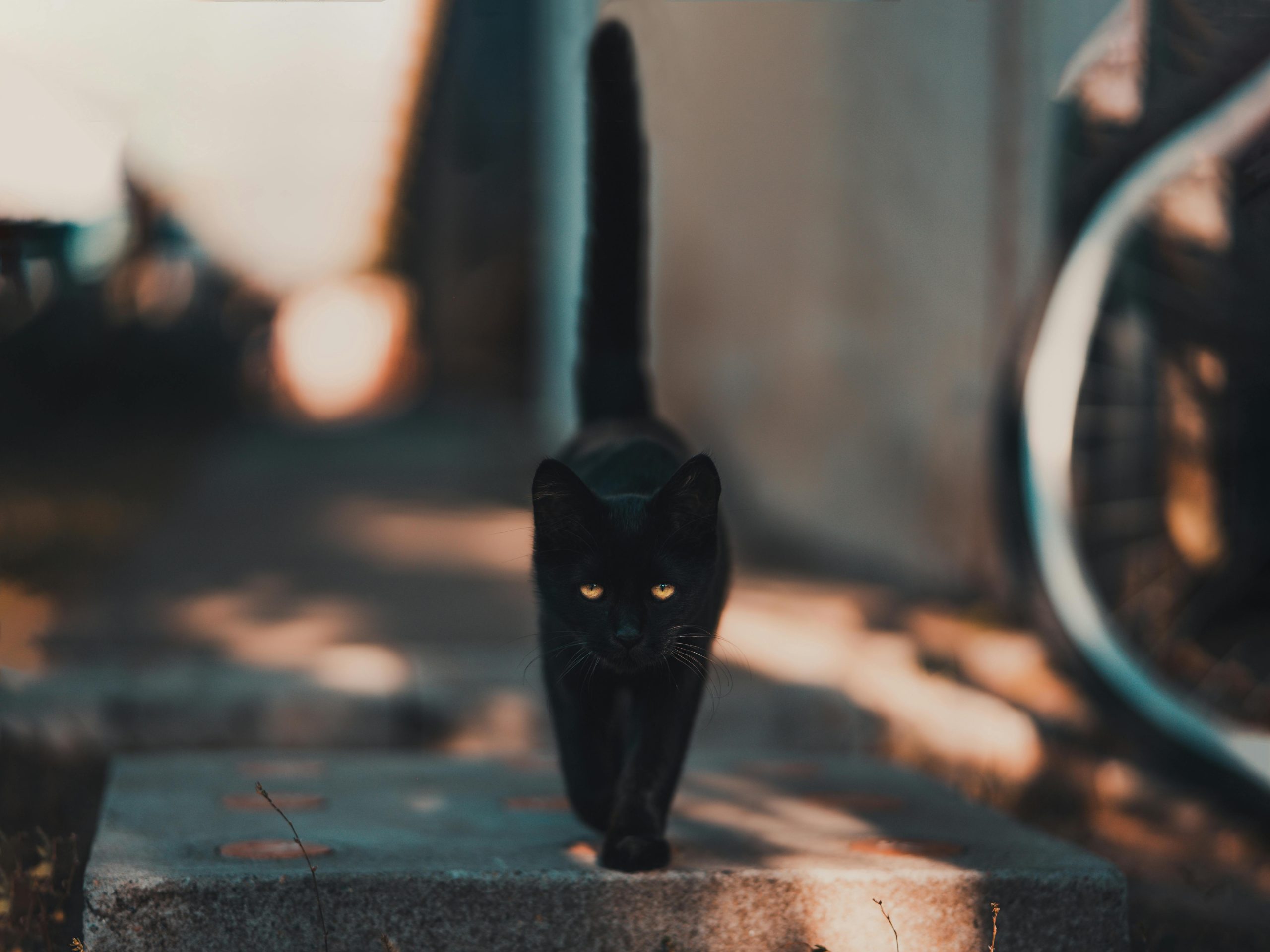
Exploring Belief in Superstitions: Psychological Reasons and Cultural Influences
Superstitions have been a part of human culture for centuries, influencing everything from personal routines to major decisions. Despite varying in complexity and plausibility, these beliefs offer fascinating insights into the human mind and the societies we live in. In this comprehensive guide, we dive deep into exploring belief in superstitions, scrutinizing the psychological underpinnings and cultural influences that keep superstitions alive in modern society.
Introduction to Superstitions
Superstitions are widely held but often irrational beliefs that certain practices or rituals can influence the outcome of specific events. These beliefs can range from avoiding walking under a ladder to carrying lucky charms for good fortune. At their core, superstitions are a coping mechanism, helping individuals manage uncertainty and reduce anxiety about factors beyond their control.
Psychological Reasons Behind Superstitions
Under the spotlight of psychology, superstitions reveal much about human nature. One primary driver behind these beliefs is the human desire for control. When faced with unpredictable circumstances, engaging in superstitious rituals can provide a false sense of security and control. This psychological phenomenon is known as the illusion of control.
Another psychological aspect is conditioning. Superstitions often develop because an action is coincidentally followed by a desirable outcome. Over time, people start associating that action with positive results, a process psychologists call operant conditioning. For instance, a basketball player who wears the same socks during a winning streak might start to believe that those socks bring good luck.
Furthermore, confirmation bias plays a significant role in sustaining superstitions. This bias leads people to notice and remember instances that support their beliefs while ignoring evidence to the contrary. Consequently, someone who believes that finding a penny brings good luck will likely remember the times they found a penny and then experienced good fortune, reinforcing the superstition.
Cultural Influences on Superstitions
While psychological factors provide the framework for superstitions, cultural surroundings fill in the details. Superstitions vary widely across different cultures, illustrating how cultural heritage and collective experiences shape these beliefs.
In many cultures, superstitions are passed down through generations, often integrated into daily practices or special rituals. For instance, in some Eastern cultures, the number four is avoided because it sounds like the word for death. Conversely, the number eight is considered lucky as it symbolizes prosperity and success.
Cultural narratives and folklore also play a crucial role in perpetuating superstitions. Myths, legends, and traditional stories often feature elements that warn against certain actions or promote ritualistic behaviors as protective or beneficial. These stories, reinforced through cultural rituals and social interactions, embed superstitions deeply within the community’s collective psyche.
FAQs on Belief in Superstitions
Q1: Are there any benefits to believing in superstitions?
A1: Yes, believing in superstitions can sometimes have psychological benefits. They can reduce anxiety, offer comfort in times of uncertainty, and provide a sense of structure and control. However, they can also lead to irrational decisions and negative behaviors if taken to extremes.
Q2: Can education reduce the prevalence of superstitions?
A2: Education can help individuals develop critical thinking skills, likely reducing the influence of superstitions. However, even the most educated individuals can hold superstitious beliefs, often compartmentalizing these beliefs away from their usual rational thinking processes.
Q3: How do superstitions differ from religious beliefs?
A3: Superstitions and religious beliefs can overlap but generally differ in their origins and societal roles. Religion typically encompasses a structured set of beliefs with moral and philosophical implications and often involves community worship. Superstitions, on the other hand, are more about personal rituals and do not usually form the basis of organized practice.
Conclusion: The Resilience of Superstitious Beliefs
Exploring belief in superstitions reveals much about the interplay between individual psychology and cultural context. Despite living in an age dominated by science and technology, superstitions persist, underlining the enduring need for humans to find meaning and control in an unpredictable world. Understanding the psychological reasons and cultural influences behind these beliefs not only demystifies their persistence but also enriches our grasp of human nature.
While some might dismiss superstitions as mere residues of unscientific thinking, they hold a mirror to our fears, hopes, and the endless quest for understanding the mysteries of life. As we continue navigating the complex landscape of modernity, the study of superstition remains a poignant reminder of our shared humanity across cultures and time.